
ChatGPT Ads Case Study
ChatGPT Ads Case Study

About
ChatGPT
OpenAI began rolling out its self-serve ChatGPT Ads Manager beta in May 2026, and InterTeam Marketing was one of the first agencies invited to test the platform. It quickly became a top-performing channel for three of our clients, and we have since begun introducing it across additional accounts.
Over the past three months, we have tested dozens of campaigns to understand what works on the platform and what doesn’t. In this ChatGPT Ads case study, we break down our results across three B2B SaaS clients and the five strategies that produced them.
Our Results From ChatGPT Ads
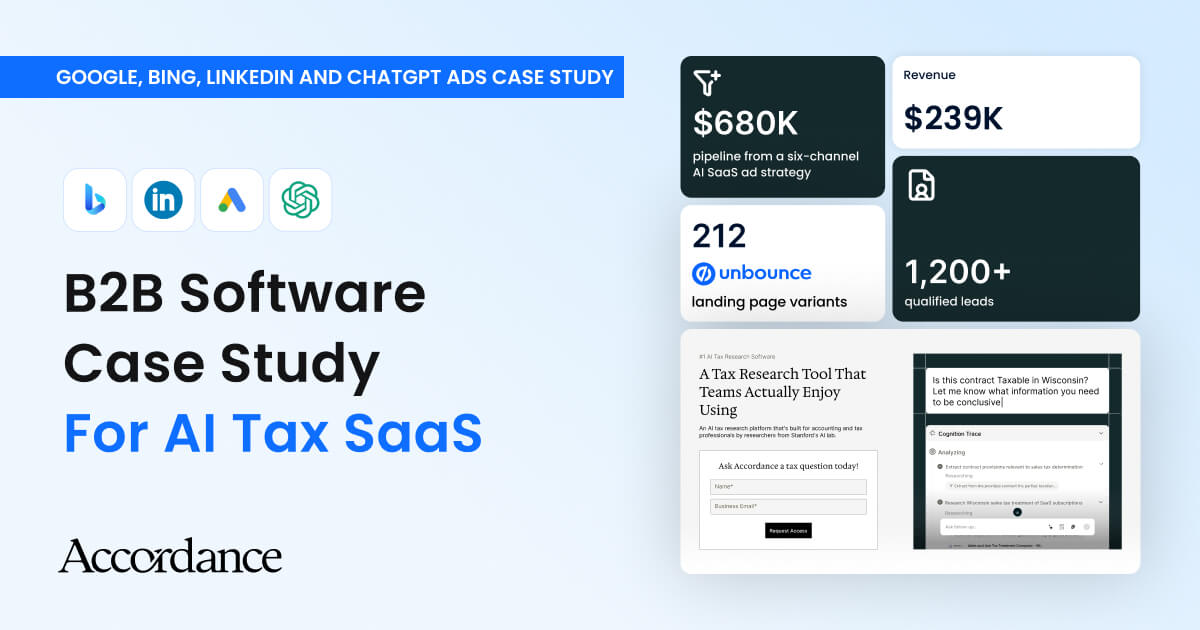
We first introduced ChatGPT Ads as part of the broader omnichannel advertising strategies for two B2B software clients.
We’ve now tested the platform for three different clients in totally different verticals. Each client has seen success with the platform, and in total we’ve generated over 150 qualified leads with a cost per lead that’s less than half of what we were paying on Google for each client.
As far as what industries can benefit from ChatGPT Ads, we have seen success across a variety of B2B SaaS verticals, including:
- AI
- Tax SaaS
- Procurement SaaS
- Project Management
The products themselves have ranged in value, including low- to mid-level offers ranging from $3,000 to $10,000 and high-ticket products exceeding $50,000. This variety has allowed us to test the OpenAI platform across different audiences, price points, and sales cycles.
Considering outside support? Compare the top ChatGPT Ads agencies based on their experience, results, attribution and reputation.
Our 5 Top-Performing ChatGPT Ads Strategies
Our early campaigns showed that ChatGPT Ads can work for several different B2B verticals. The key is matching the offer to the type of conversation the buyer is already having.
The following five OpenAI Ads strategies produced our strongest initial results.
1. Target Qualified Audiences With Informational TOFU Content
ChatGPT Ads uses a unique form of targeting called Context Hints. It’s essentially prompt-based targeting, where you explain the types of conversations, topics, and keywords your offer may be relevant to.
The problem is that OpenAI doesn’t provide guidelines on how much information you should include, meaning it is up to you to test different angles to see what works. This could include targeting people interested in topics related to your solution or users with a specific job title.
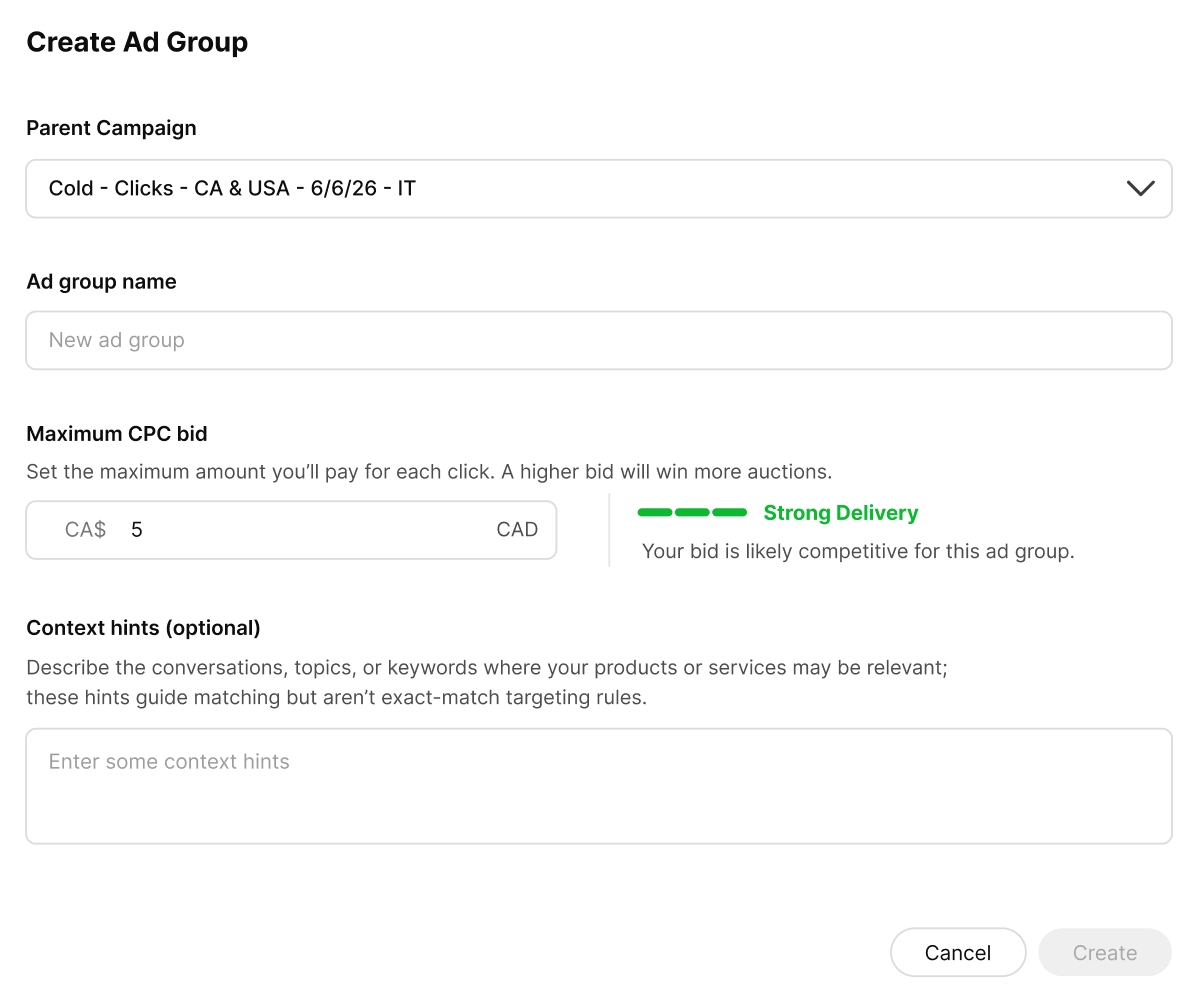
At InterTeam, we also tested layering in Context Hints about audiences to exclude, most notably for company employees, employees of competitors, DIY searchers, and other demographics that were less likely to qualify.
Once your Context Hints are set up to reach qualified leads, you’ll also want to make sure your offer matches the audience you’re targeting.
Some of our most successful campaigns have involved promoting informational content to top-of-funnel audiences researching problems related to the software we were advertising. We’ve tested this with ebooks and webinars.
We used Context Hints to guide delivery toward conversations about the problems our clients’ software was intended to solve. The ads then directed users to a conversion-optimized landing page where they submitted their contact information to access the resource.
This strategy provided users with helpful content while giving our clients an opportunity to capture and nurture qualified leads.
2. Targeting Competitor Comparison Conversations
We also targeted conversations in which buyers were comparing specific software platforms or looking for alternatives to competing products.
These buyers were already evaluating potential solutions, making competitor comparison conversations a natural opportunity to introduce our clients. We tested Context Hints related to individual competitors, including:
- Reviews
- Direct competitive comparisons
- Alternative solutions
For these campaigns, we found that simple comparison-style creative paired with clear, benefit-led ad copy performed extremely well and encouraged users to click through to our landing pages.
Rather than directing these users to a general product page, the ads promoted comparison-style landing pages that directly addressed what they were researching and helped them evaluate our clients alongside the other available options.
3. Targeting Users Researching The Best Solutions
Another strategy focused on conversations where users requested software recommendations or breakdowns of the best solutions in our clients’ categories.
We used Context Hints to reach these users during category-level research, before they had narrowed their options or begun comparing individual competitors.
This differed from competitor comparisons because users may not yet have been aware of the available platforms. By reaching them earlier in the sales cycle, we could familiarize them with our clients’ offers from the moment they began their product research.
4. Promoting Booked Demos at the Bottom of the Funnel
For audiences further into the sales cycle, we tested direct booked-demo campaigns using Context Hints to target high-intent conversations involving:
- Pricing information
- Comparisons between specific products or solutions
- Features required for a particular use case
- Integrations or compatibility with an existing tech stack
- Implementation, migration or switching from an existing platform
The ads then directed these users to a landing page where they could book a product demonstration.
We reserved this direct-response offer for buyers who appeared ready to speak with sales. Users conducting broader informational research received helpful content instead, allowing us to match each offer to the buyer’s intent.
5. Using Branded Campaigns to Target Users Evaluating Your Brand
The final strategy that produced significant results involved targeting conversations and prompts specifically related to our clients’ brands.
Unlike competitor campaigns, these users were already aware of our clients and actively evaluating their products, giving us an opportunity to reinforce the benefits of their offers. We tested Context Hints involving:
- Reviews of the client’s brand or product
- Direct brand-versus-competitor comparisons
- Alternatives to the client’s product
We also carried over exclusions for employees and other irrelevant audiences to avoid spending budget on branded conversations that were unlikely to produce a qualified lead.
Get a ChatGPT Ads Strategy Tailored for Your Business
ChatGPT Ads is still a new platform, but our campaigns have already generated over 150 qualified leads and we’re beginning to understand what works. .
If you’re struggling on the platform or looking for advice on how to leverage OpenAI Ads properly for your brand, we offer complimentary strategy sessions.
Click the link below for more info!

Template question
Template text answer