Best Influencer Marketing Software in 2026
Influencer marketing has moved from a brand awareness experiment to a measurable acquisition channel. Buyers discover products through creators, compare them on social, and often click a discount code or affiliate link before they ever see a paid ad.
Managing that channel at scale takes more than a spreadsheet of handles. The best influencer marketing software handles creator discovery, vetting, outreach, contracts, content tracking, and sales attribution in one system, so teams can prove ROI rather than report impressions.
In this guide, we've vetted the top 10 influencer marketing software platforms for 2026. Each was evaluated on discovery depth, workflow automation, attribution and reporting, integrations, and fit for different team sizes and budgets.
How We Evaluated the Best Influencer Marketing Software
Influencer programs live or die on two things: whether you can find creators whose audience actually matches your buyer, and whether you can trace what those creators produce back to revenue.
We weighted those two capabilities most heavily, then looked at how much of the day-to-day workflow each platform removes from the team.
The following five criteria guided how we picked the best influencer marketing software:
- Discovery and Vetting Depth: We prioritized platforms with large creator indexes, AI-assisted search, lookalike tools, and built-in fraud detection or audience quality scoring.
- Workflow Automation: We looked for outreach sequencing, CRM pipelines, automated product seeding, contract and content approval flows, and AI assistance for creator communication.
- Attribution and Reporting: We favored platforms that track posts automatically and tie sales to individual creators through discount codes and affiliate links, not just reach and engagement.
- Integrations: We checked for native connections to Shopify, WooCommerce, email tools, payment providers, and BI or social management platforms.
- Fit and Pricing Transparency: We considered which team sizes each platform is built for and whether pricing is public, quote-based, or tied to long contracts.
1. Influencer Hero
- Headquarters: New York, NY
- Best For: D2C brands, e-commerce teams, and agencies
- Platforms Covered: Instagram, TikTok, YouTube
- Primary Features: AI creator discovery, lookalike search, automated outreach and follow-ups, AI email assistant, CRM, affiliate links and unique discount codes, content tracking, bulk creator payments, UGC management
- Pricing: Tiered plans plus a managed agency service; pricing on request
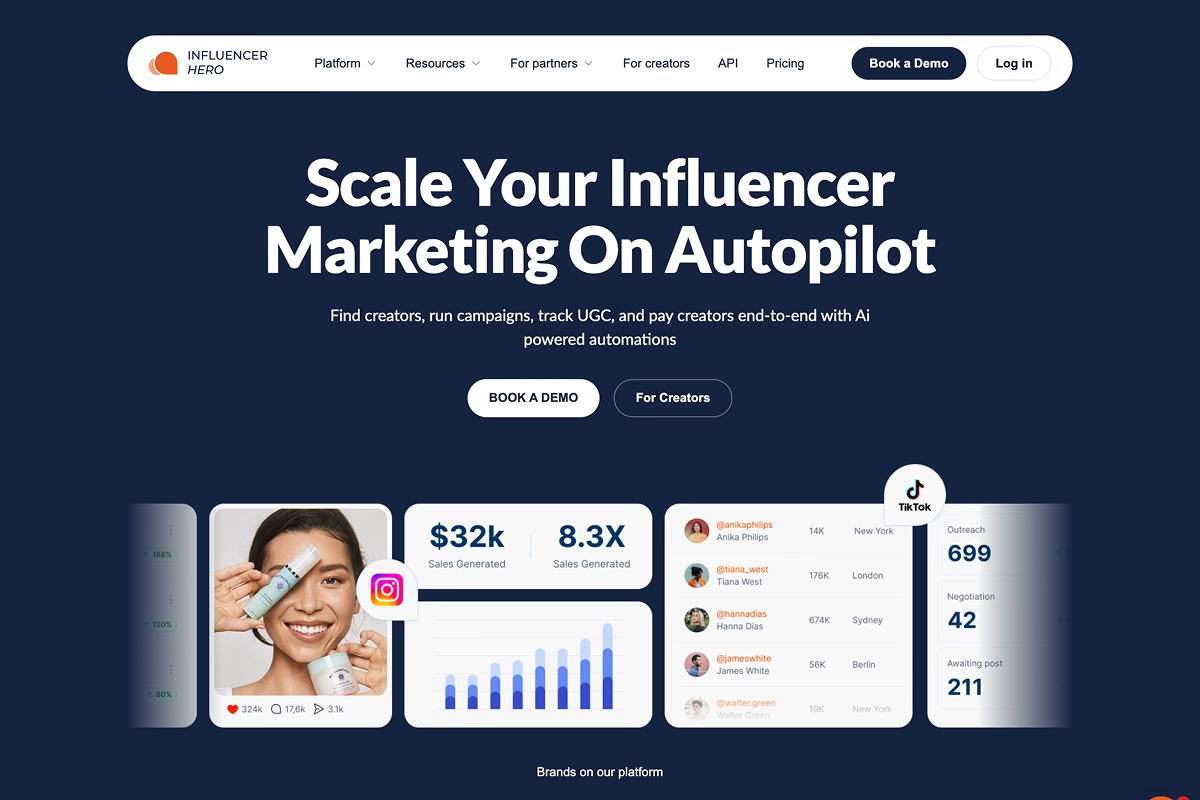
Overview: Influencer Hero is the best all-in-one influencer marketing platform, built to run the entire influencer workflow in one place. Discovery lets teams describe the creator they want in natural language, find lookalikes of a profile that already performs, and filter by the brands a creator has previously tagged. From there, the platform drafts personalized outreach, runs follow-up sequences, and can answer routine creator replies with an AI email assistant trained on the campaign's terms.
On the back end, every post and story is tracked automatically, and each creator receives a unique discount code and affiliate link, so revenue is attributed per creator rather than per campaign. Payments to creators are handled in bulk from the same dashboard. Brands that would rather not run the program in-house can also use its managed agency service on the same platform.
Best For: D2C brands and agencies that want discovery, outreach, attribution, and payments in a single system of record instead of three or four separate tools.
2. Modash
- Headquarters: Tallinn, Estonia
- Best For: Brands and agencies focused on discovery
- Platforms Covered: Instagram, TikTok, YouTube
- Primary Features: Creator search with audience demographics, fake follower analysis, lookalike search, campaign tracking, creator lists and notes
- Pricing: Public monthly plans, no annual contract required
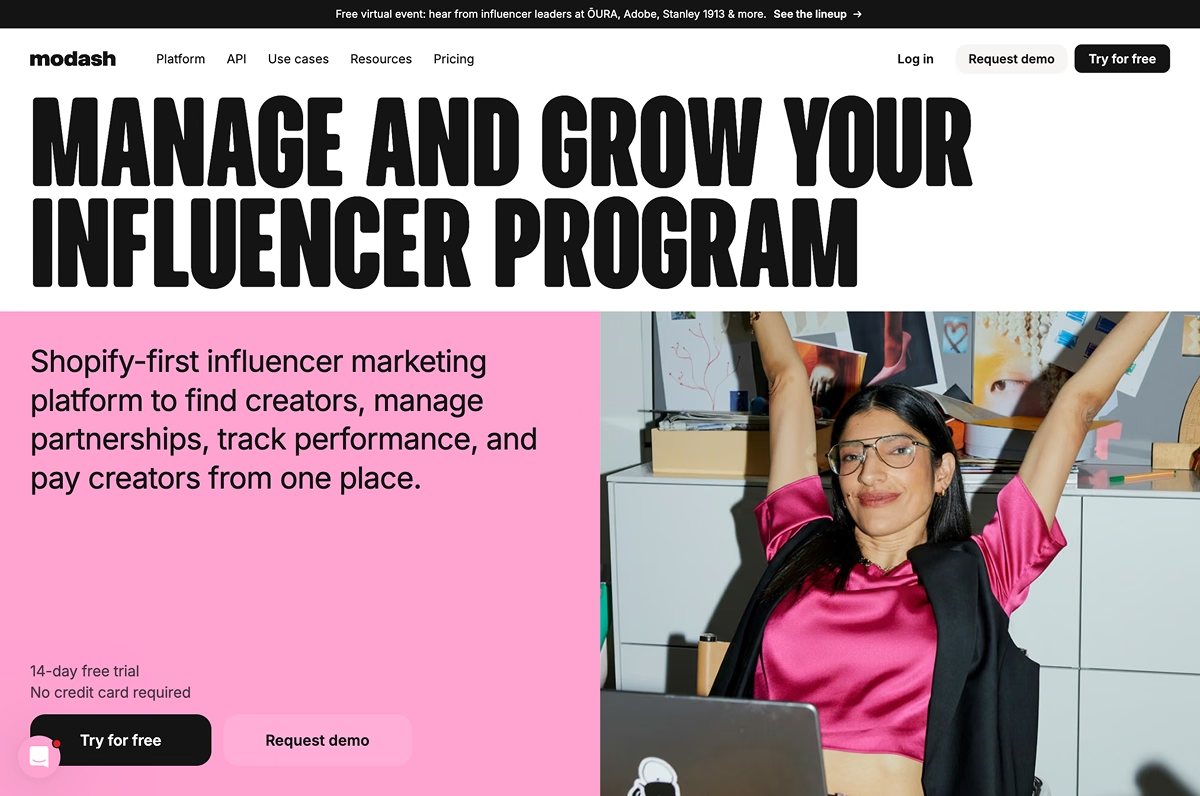
Overview: Modash indexes essentially every public creator above a modest follower threshold, which makes it one of the largest searchable databases in the category. Each profile comes with audience location, age, gender, interests, and an estimated fake follower percentage, so vetting happens inside the search results rather than in a separate tool.
The platform has added campaign tracking and basic creator management, but outreach and payments still largely happen elsewhere. Its transparent monthly pricing makes it a common first purchase for teams graduating from spreadsheets.
Best For: Teams that need a deep, filterable creator database and are comfortable managing relationships in their own CRM or inbox.
3. GRIN
- Headquarters: Sacramento, CA
- Best For: Mid-market and enterprise e-commerce brands
- Platforms Covered: Instagram, TikTok, YouTube, Facebook, Twitch
- Primary Features: Creator CRM, Shopify product seeding, discount codes and affiliate links, content library, contracts, payments, reporting
- Pricing: Quote-based, annual contracts
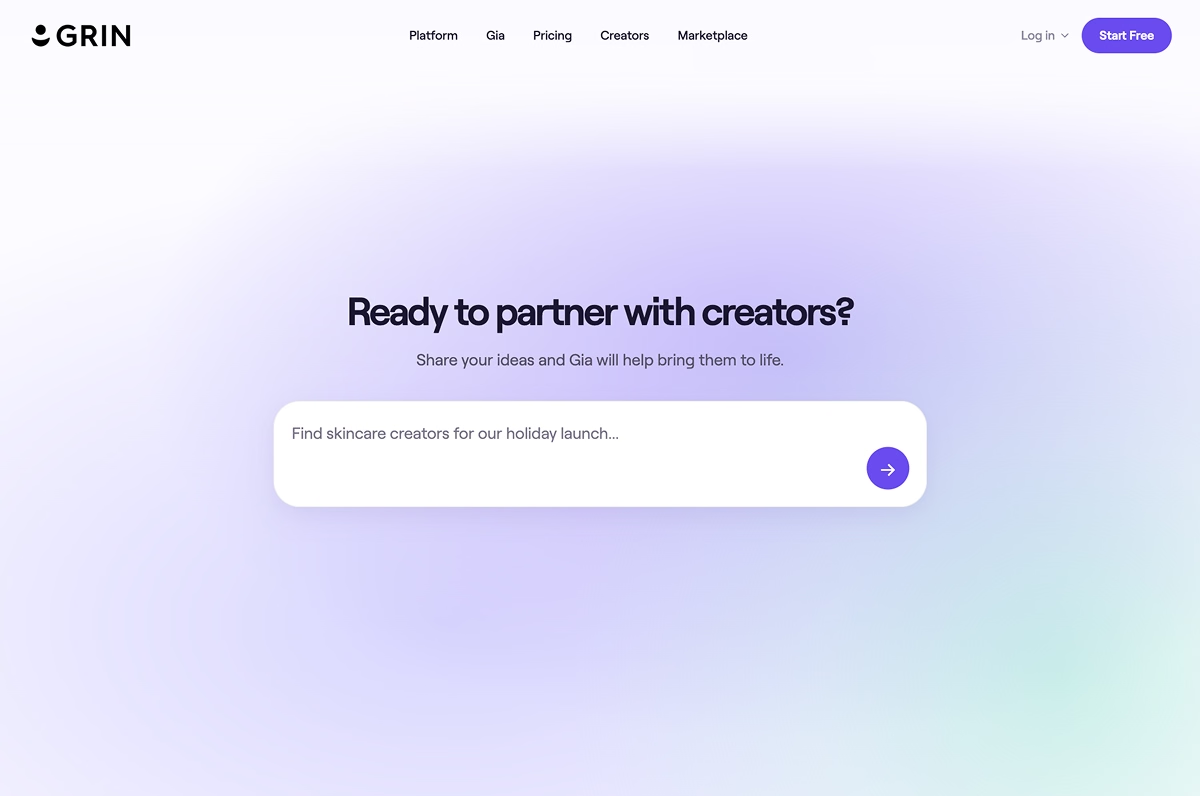
Overview: GRIN positions itself as a creator management platform rather than a discovery tool, and the distinction is fair. Its strength is operational: native Shopify integration means products can be shipped to creators, codes generated, and sales attributed without leaving the platform. Contracts, content approvals, and payouts run through the same creator record.
Discovery is functional rather than exceptional, and fraud detection has historically been a gap that users have called out. Teams that already know who they want to work with will get the most from it.
Best For: Shopify brands with an established creator roster that need a strong operational backbone for seeding, contracts, and payments.
4. Upfluence
- Headquarters: New York, NY
- Best For: E-commerce brands with an existing customer base
- Platforms Covered: Instagram, TikTok, YouTube, Twitch, Pinterest, blogs
- Primary Features: Creator discovery, customer-to-creator identification, AI assistant, outreach, affiliate management, product seeding, payments
- Pricing: Quote-based
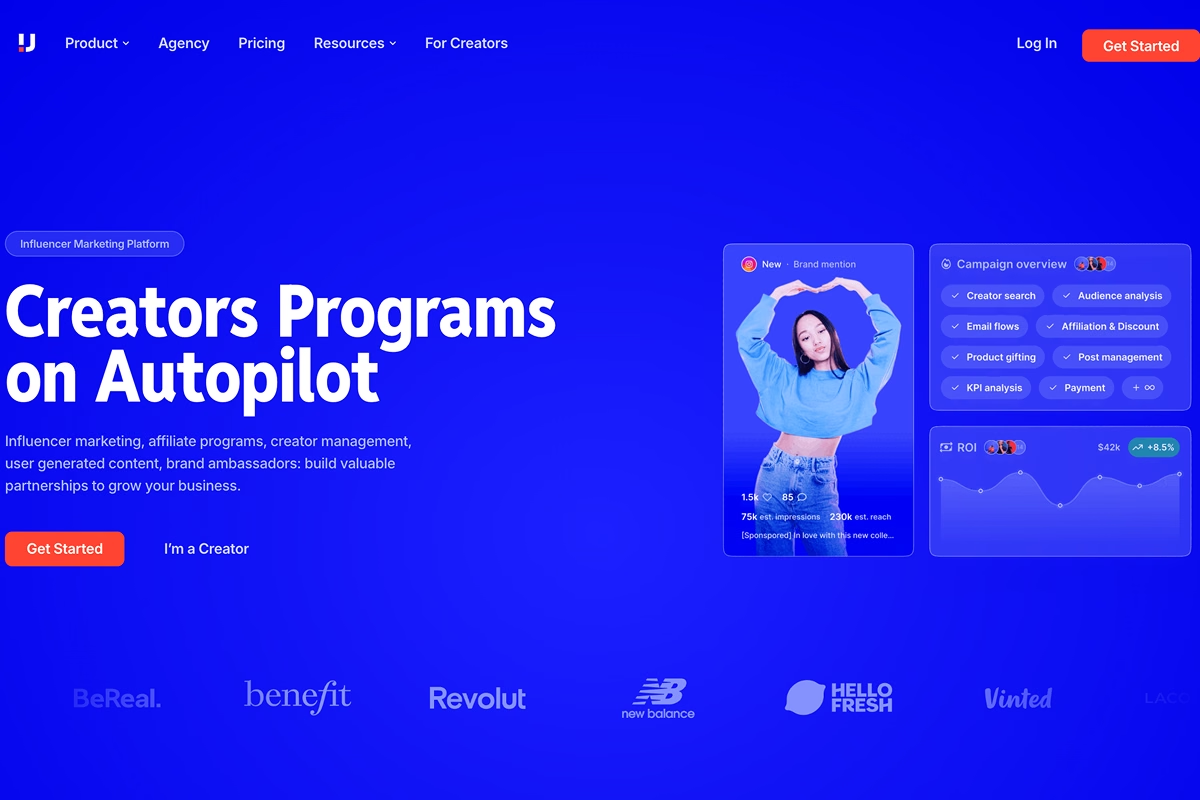
Overview: Upfluence's most distinctive feature is its ability to scan a brand's own customer list, via Shopify or WooCommerce, and surface buyers who are also creators. Partners found this way already use the product, which tends to raise both acceptance rates and content authenticity.
Beyond that, it covers the standard workflow: discovery across a broad set of platforms, outreach, affiliate tracking, seeding, and payments, with an AI assistant positioned as a copilot for matching and campaign tasks.
Best For: E-commerce brands that want to build a creator program from customers they already have.
5. CreatorIQ
- Headquarters: Los Angeles, CA
- Best For: Enterprise brands and large agencies
- Platforms Covered: Instagram, TikTok, YouTube, Facebook, Twitch, Pinterest
- Primary Features: Content-based creator discovery, multimodal brand safety analysis, predictive performance, creator portals, payments, BI and commerce integrations
- Pricing: Quote-based, sales-led
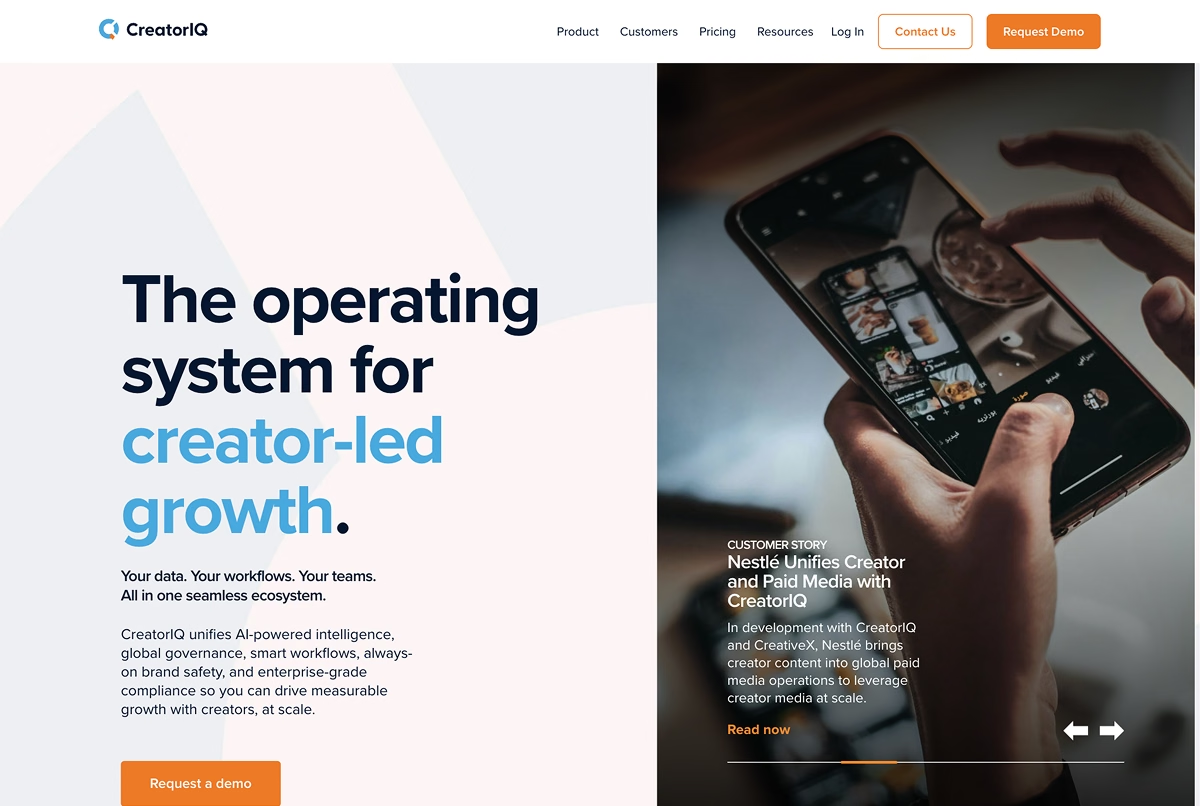
Overview: CreatorIQ was among the first platforms to build discovery on computer vision, indexing what creators actually post rather than what they write in their bios. Its brand safety layer reads text, images, video, and audio across a creator's history and flags anything a regulated advertiser would want to avoid, which matters in finance, health, and alcohol.
Integrated payments, creator portals, and connections to commerce and BI systems make it a fit for global teams managing thousands of creators across markets.
Best For: Enterprise programs with compliance requirements, dedicated influencer teams, and the budget for a sales-led implementation.
6. Aspire
- Headquarters: San Francisco, CA
- Best For: Consumer brands running ambassador and UGC programs
- Platforms Covered: Instagram, TikTok, YouTube, Pinterest, Facebook
- Primary Features: Creator marketplace and inbound applications, ambassador workflows, affiliate links, content rights and asset library, paid social amplification
- Pricing: Quote-based
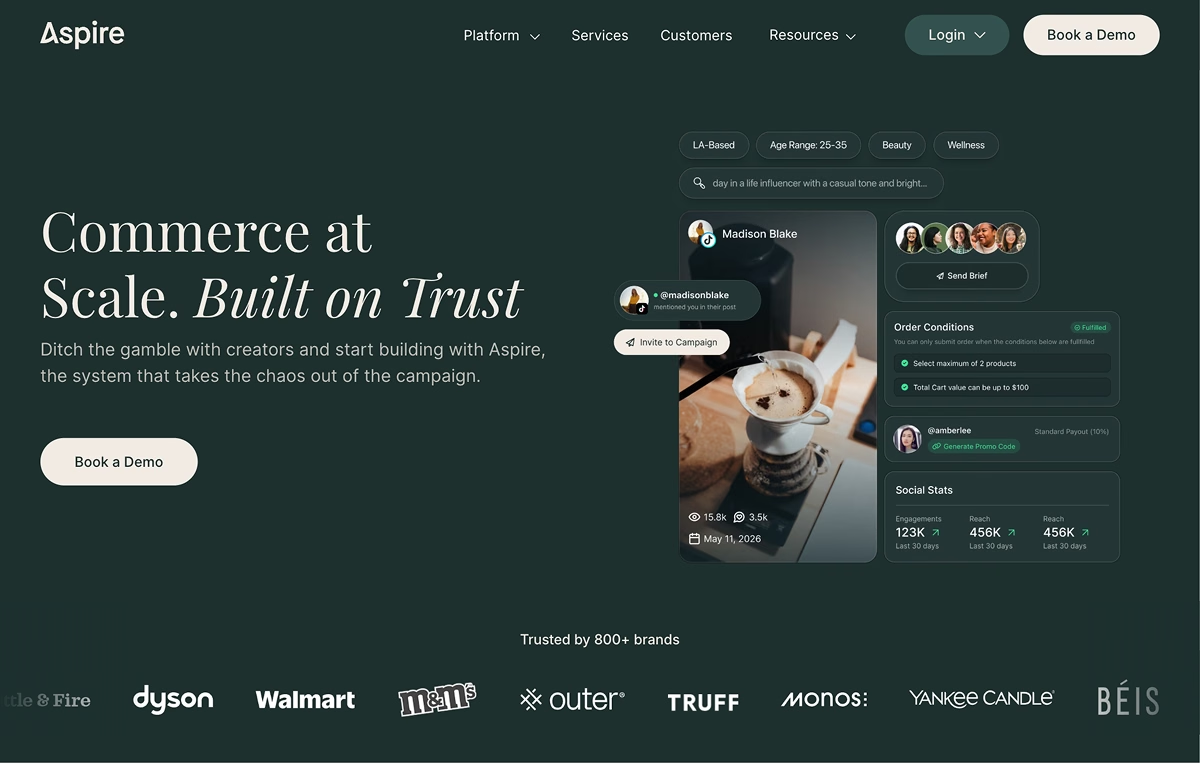
Overview: Aspire leans into the community side of the channel. Beyond outbound discovery, it gives brands a branded application page where creators apply directly, then matches applicants to campaigns. Long-running ambassador and affiliate programs are its home turf.
It is also strong at converting creator content into a reusable asset library with usage rights attached, which suits brands that plan to run influencer content as paid ads.
Best For: Brands building always-on ambassador and UGC programs rather than one-off sponsored posts.
7. Traackr
- Headquarters: San Francisco, CA
- Best For: Enterprise brands in beauty, fashion, and consumer goods
- Platforms Covered: Instagram, TikTok, YouTube, Facebook, Twitch, Pinterest, blogs
- Primary Features: Creator discovery, competitive benchmarking, brand vitality metrics, budget and spend tracking, product seeding, reporting
- Pricing: Quote-based
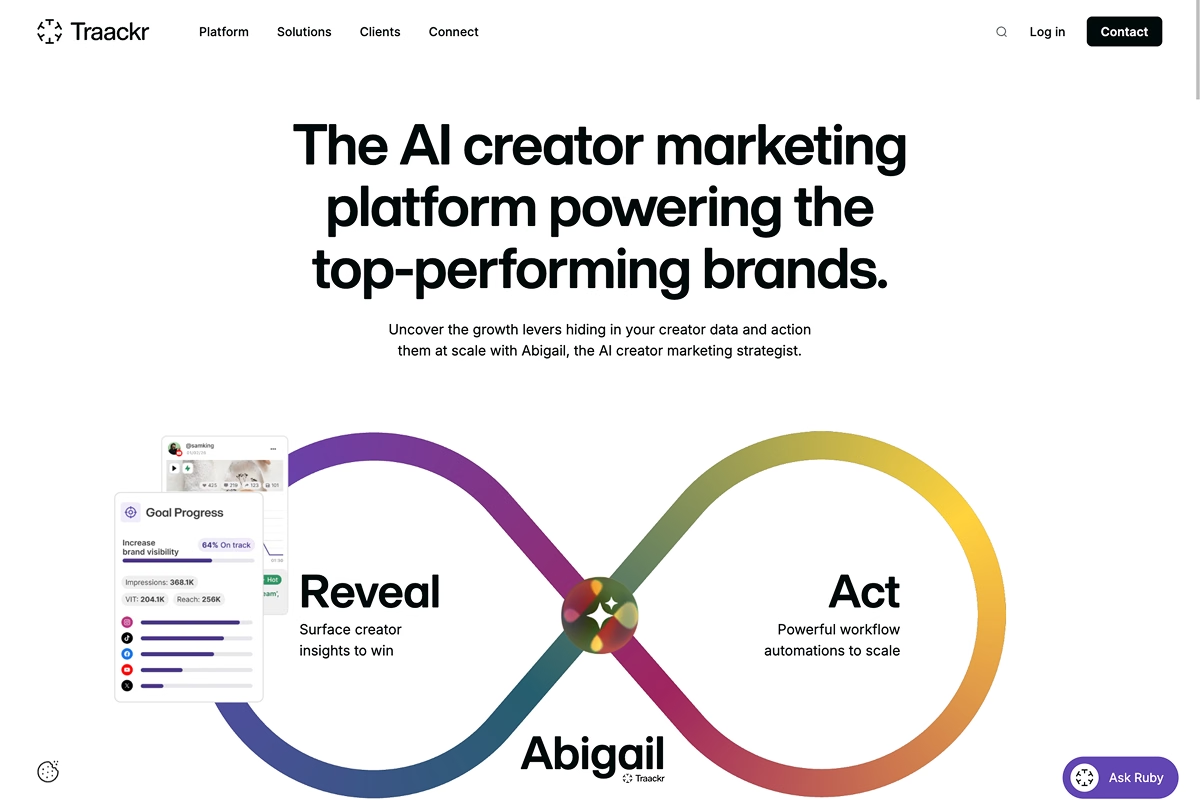
Overview: Traackr is measurement-first. Its benchmarking tools compare a brand's share of influencer voice against named competitors, which makes it popular with category leaders who need to justify spend to a CMO. Spend tracking and budget controls are built in for teams managing large, multi-market programs.
Discovery and workflow are solid but the platform is priced and designed for enterprise use, so smaller brands tend to find the investment hard to justify.
Best For: Large consumer brands that need competitive benchmarking and spend governance across regions.
8. HypeAuditor
- Headquarters: San Francisco, CA
- Best For: Brands and agencies prioritizing audience authenticity
- Platforms Covered: Instagram, TikTok, YouTube, Twitch, X
- Primary Features: Fraud detection, audience quality score, creator discovery, competitor analysis, market reports, campaign management
- Pricing: Public plans plus custom enterprise tiers
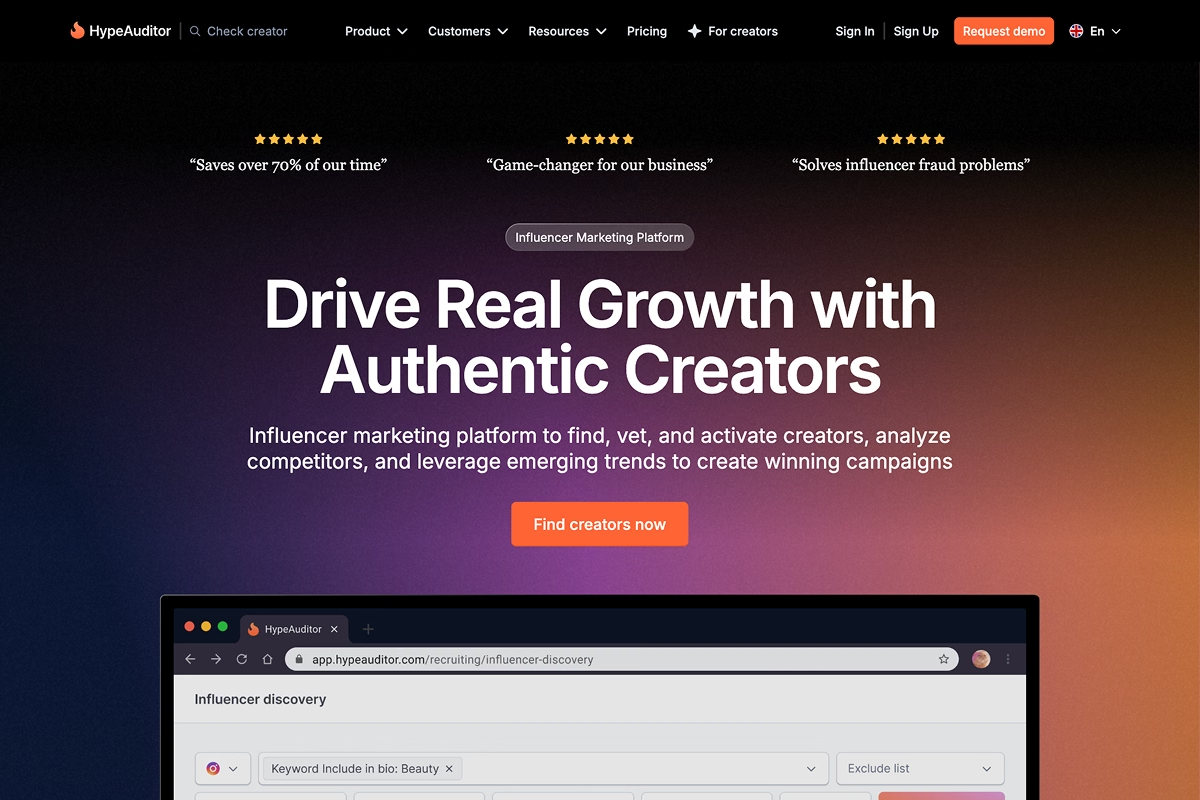
Overview: HypeAuditor built its reputation on fraud detection. Its models estimate the share of real, suspicious, and mass-following accounts in an audience and produce an audience quality grade that has become shorthand in creator vetting.
The platform has grown into discovery, competitor analysis, and campaign management, but many teams still use it as a second opinion before signing a larger creator contract.
Best For: Teams that want detailed vetting reports, either as a standalone tool or alongside a primary platform.
9. Sprout Social
- Headquarters: Chicago, IL
- Best For: Companies already on Sprout Social
- Platforms Covered: Instagram, TikTok, YouTube, Facebook, X, Twitch
- Primary Features: AI-assisted topic discovery, brand fit scoring, campaign management, reporting alongside organic and paid social data
- Pricing: Add-on to Sprout Social plans, quote-based
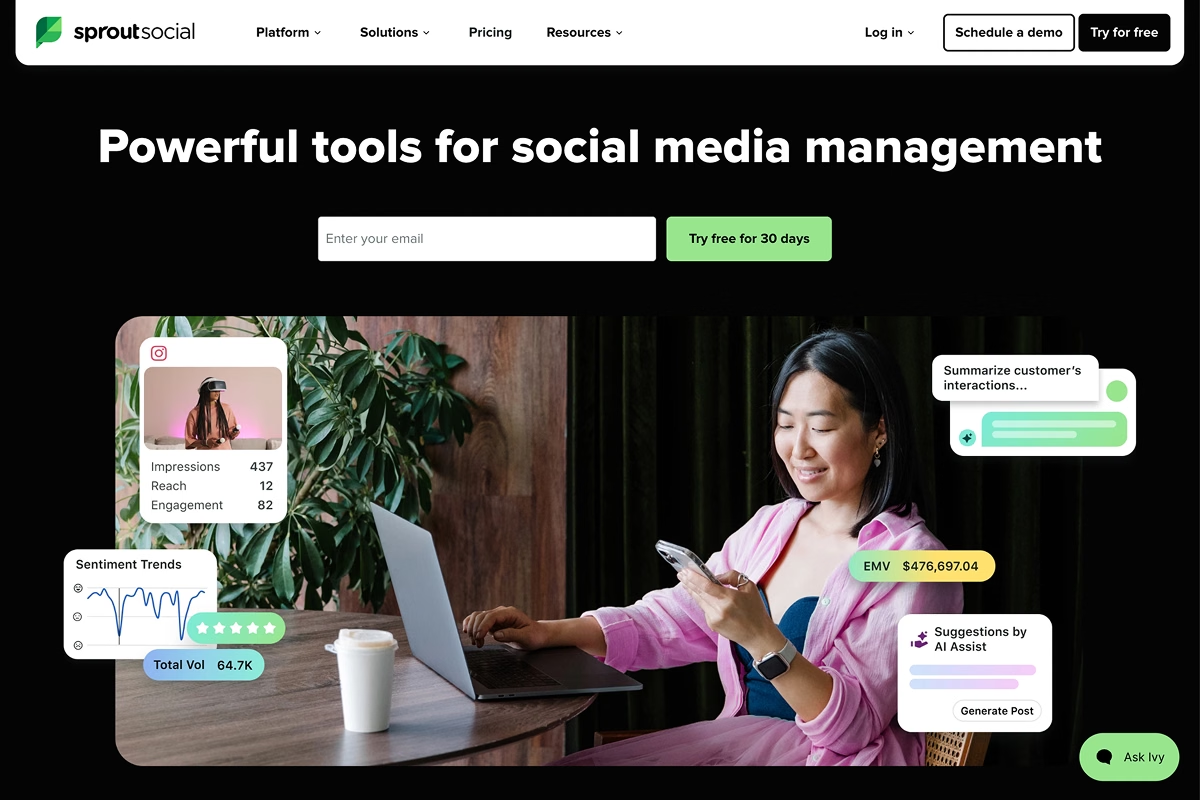
Overview: Sprout Social acquired Tagger and folded it into its social management suite. The advantage is reporting: influencer performance sits next to organic and paid social data in the same dashboards the social team already uses, which simplifies attribution conversations.
Topic-based discovery and brand fit scoring help teams find creators whose content genuinely covers a subject, rather than matching on hashtags.
Best For: Marketing teams that want influencer marketing reported inside their existing social stack rather than in a separate tool.
10. Later
- Headquarters: Boston, MA
- Best For: Brands combining influencer programs with social scheduling
- Platforms Covered: Instagram, TikTok, YouTube, Facebook, Pinterest
- Primary Features: Creator discovery, campaign management, content approvals, affiliate and code tracking, social scheduling and publishing
- Pricing: Quote-based for Later Influence; public plans for Later Social
Overview: Later Influence, built on the former Mavrck platform, pairs influencer management with Later's social scheduling tools. That combination suits brands that want creator content, organic posting, and approvals managed by the same team in one place.
Enterprise influencer features are quote-based, while the social scheduling side is available on public plans, so the fit depends on how much of each a team needs.
Best For: Consumer brands whose influencer and organic social programs are run by the same team.
How to Choose the Right Influencer Marketing Software for Your Business
Best Influencer Marketing Software for D2C and E-commerce Brands
Top Picks: Influencer Hero, GRIN, Upfluence
Why: E-commerce programs need product seeding, per-creator discount codes, and sales attribution to work out of the box. These platforms connect directly to the store and report on revenue per creator, not just reach.
Best Influencer Marketing Software for Enterprise Programs
Top Picks: CreatorIQ, Traackr, Sprout Social
Why: Large programs need brand safety, competitive benchmarking, spend governance, and reporting that fits into existing BI or social stacks. These platforms are built for multi-market teams with compliance requirements.
Best Influencer Marketing Software for Agencies
Top Picks: Influencer Hero, Modash, HypeAuditor
Why: Agencies run many programs at once and need fast discovery, reliable vetting, and a workflow that scales across clients. These platforms combine deep creator data with automation that reduces per-campaign labor.
Best Influencer Marketing Software for Ambassador and UGC Programs
Top Picks: Aspire, Influencer Hero, Later Influence
Why: Long-term ambassador programs depend on inbound applications, content rights management, and reusable asset libraries. These platforms handle recruitment, approvals, and content reuse alongside standard campaign tracking.
Best Influencer Marketing Software for Creator Vetting
Top Picks: HypeAuditor, Modash, CreatorIQ
Why: Inflated audiences are the fastest way to waste influencer budget. These platforms lead on fraud detection, audience quality scoring, and content-level brand safety analysis.
Template question
Template text answer



Want to see if paid ads would work for your business?